NotebookLM Gets Gemini 3.5 and New Research Automation
Google has launched a significant update to its NotebookLM platform, transitioning the research tool to the Gemini 3.5 model as its default engine. The update introduces advanced automation features designed to streamline how users compile and synthesize information for their projects.
Automated Research and Knowledge Building
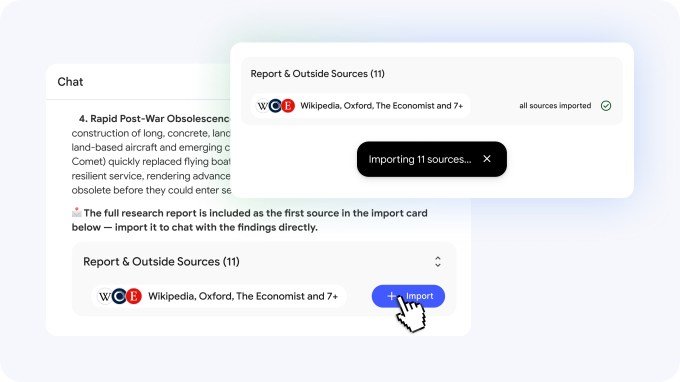
Previously, users were required to manually upload all source material to build a knowledge base. With the new release, NotebookLM can actively assist in creating these repositories. By leveraging Antigravity-powered software skills and Google Search, the tool can now suggest relevant sources, including materials from specific authors or documents in various languages, based on a project-related chat.
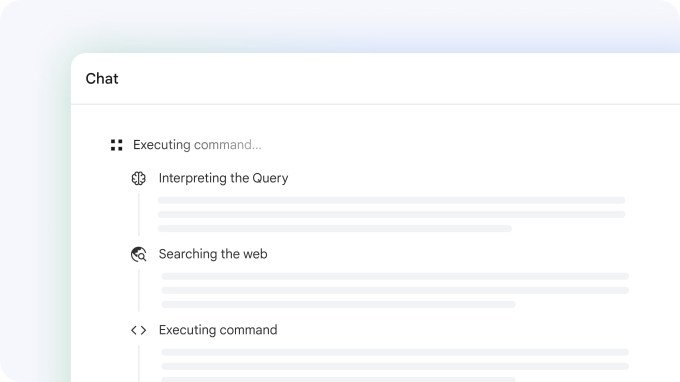
Furthermore, the tool now provides transparency regarding its research process. Building on the “Deep Research” mode introduced last year, the app will display detailed steps within the chat interface, allowing users to verify how the AI arrived at specific conclusions.
Expanded Export and Formatting Options
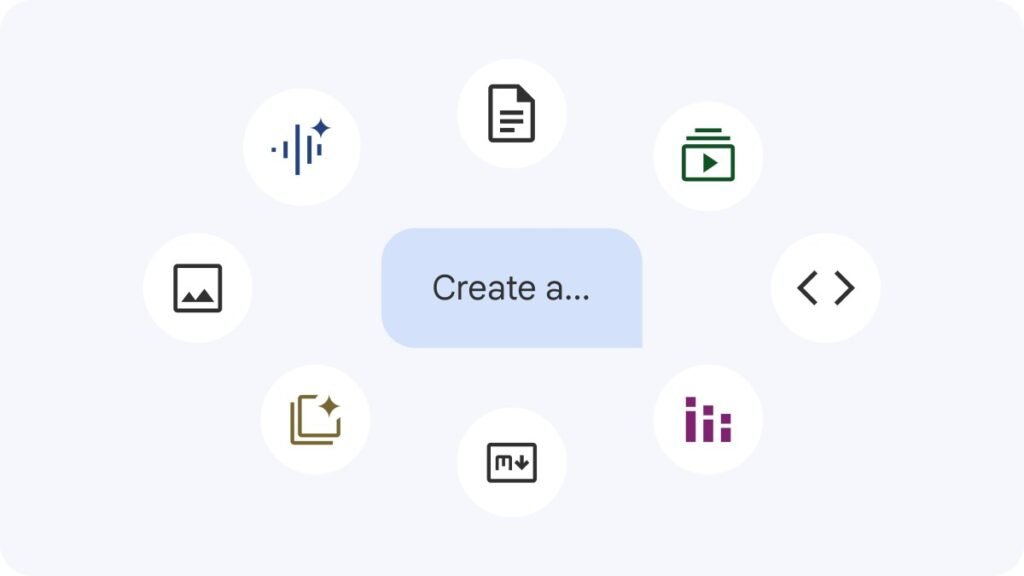
The update also enhances the flexibility of generated outputs. Users can provide granular instructions for how information should be structured and are now permitted to edit results directly. The platform supports a wide array of export formats, including:
- Data visualizations and charts (.png, .svg)
- Standard documents (PDF, .docx, Markdown, and text files)
- Structured data (CSV, JSON)
- Microsoft Excel and PowerPoint files
- Nano-banana-powered images
These features are currently rolling out to Google AI Ultra users, as well as Workspace business customers with AI Ultra Access and AI Expanded Access. Google intends to broaden availability to additional user groups in the near future.