
Nvidia Unveils DLSS 5: Generative AI Meets 3D Graphics
Nvidia is evolving its signature graphics technology with the launch of DLSS 5, a system that integrates generative AI to enhance visual fidelity in video games while optimizing computational efficiency. CEO Jensen Huang debuted the platform during his keynote at the Nvidia GTC conference this Monday.
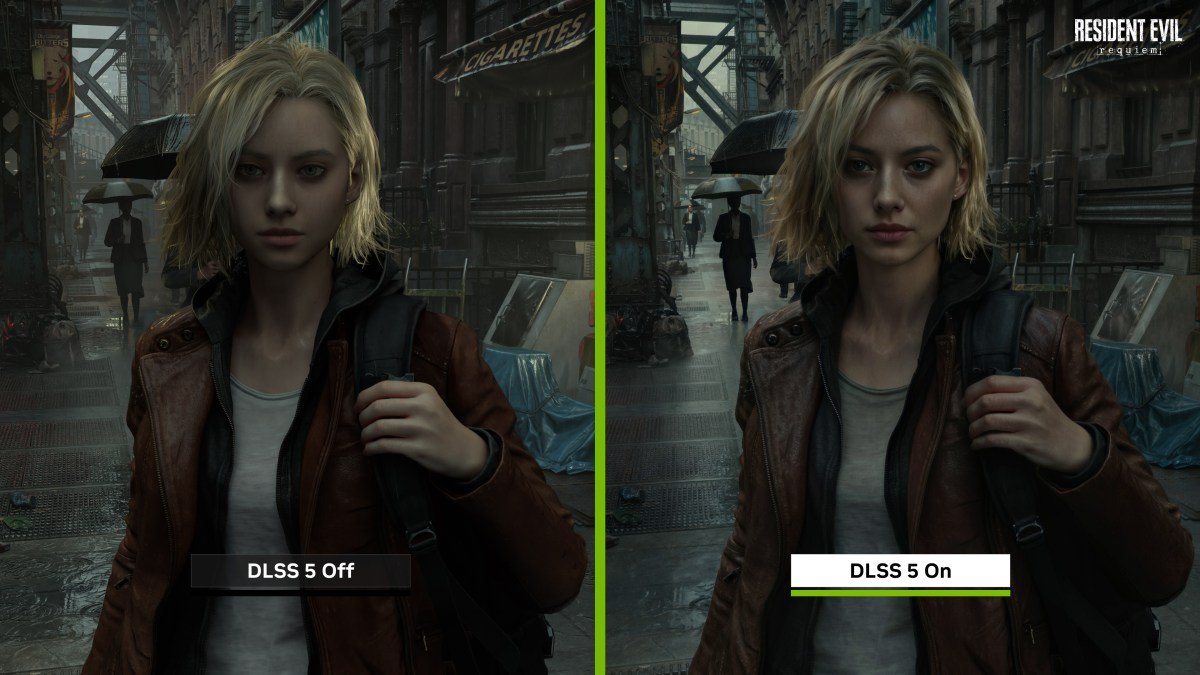
The core innovation of DLSS 5 lies in its hybrid processing approach. By merging traditional 3D graphics data with generative AI models, the technology can predict and reconstruct visual elements. This allows GPUs to render complex, lifelike scenes without the need to calculate every pixel from the ground up.
Beyond Gaming: A Shift in Computing
While the technology originated in the gaming sector, Huang emphasized that the underlying methodology—fusing structured 3D data with probabilistic generative AI—represents a significant shift in broader computing. The CEO highlighted the potential for this framework to transcend entertainment and impact enterprise environments.
According to Huang, the integration of these two distinct computing styles offers developers a new level of precision:
- Structured 3D Data: Provides the “ground truth” and physical accuracy of virtual environments.
- Generative AI: Supplies the probabilistic, predictive power needed to fill in details for high-end realism.
The Future of Enterprise Data
Huang suggested that the logic powering DLSS 5 could eventually be applied to analyze massive datasets in the enterprise space. He pointed to platforms such as Snowflake, Databricks, and BigQuery as primary candidates for this AI evolution.
“This concept of fusing structured information and generative AI will repeat itself in one industry after another,” Huang noted. He added that the future of AI agents will rely on the ability to synthesize both structured databases and unstructured generative data, which he described as representing the “vast majority of the world.”
By positioning DLSS 5 as a blueprint for future AI-driven data analysis, Nvidia is signaling that its expertise in rendering virtual worlds is becoming a cornerstone for its ambitions in the enterprise and data-processing sectors.