OpenAI Sora: AI Model Shows Ability to Simulate Video Games
OpenAI has pulled back the curtain on the technical architecture of Sora, its latest video-generation model. Beyond its cinematic capabilities, the research reveals that the system functions effectively as a “world simulator,” capable of rendering interactive digital environments, including video games.
From Video Generation to World Simulation
According to the technical paper titled “Video generation models as world simulators,” Sora is not limited to simple clips. The model can generate content in various aspect ratios and resolutions, scaling up to 1080p. Its utility extends to complex editing tasks, such as creating looping footage, extending video sequences in either temporal direction, and modifying backgrounds.
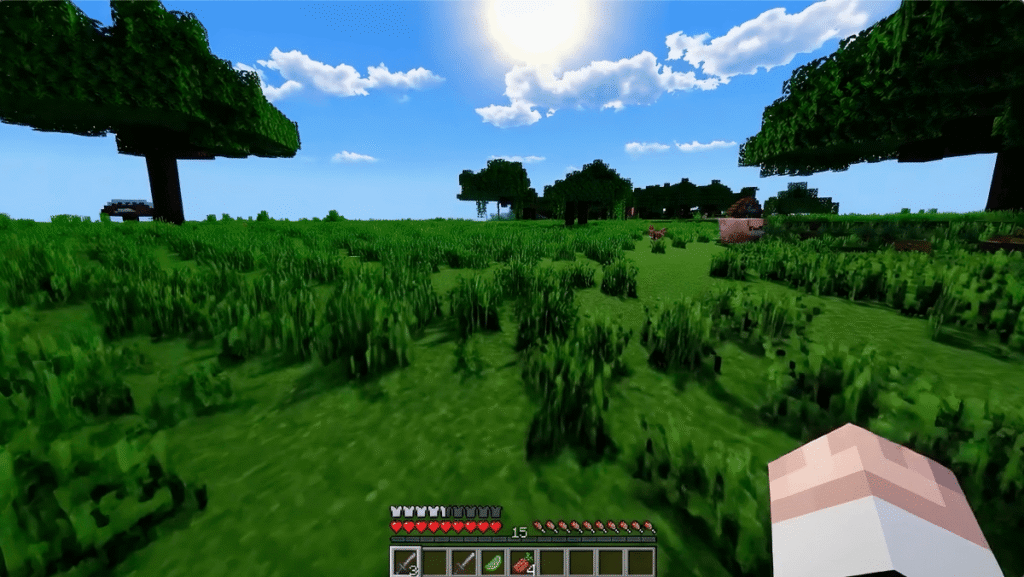
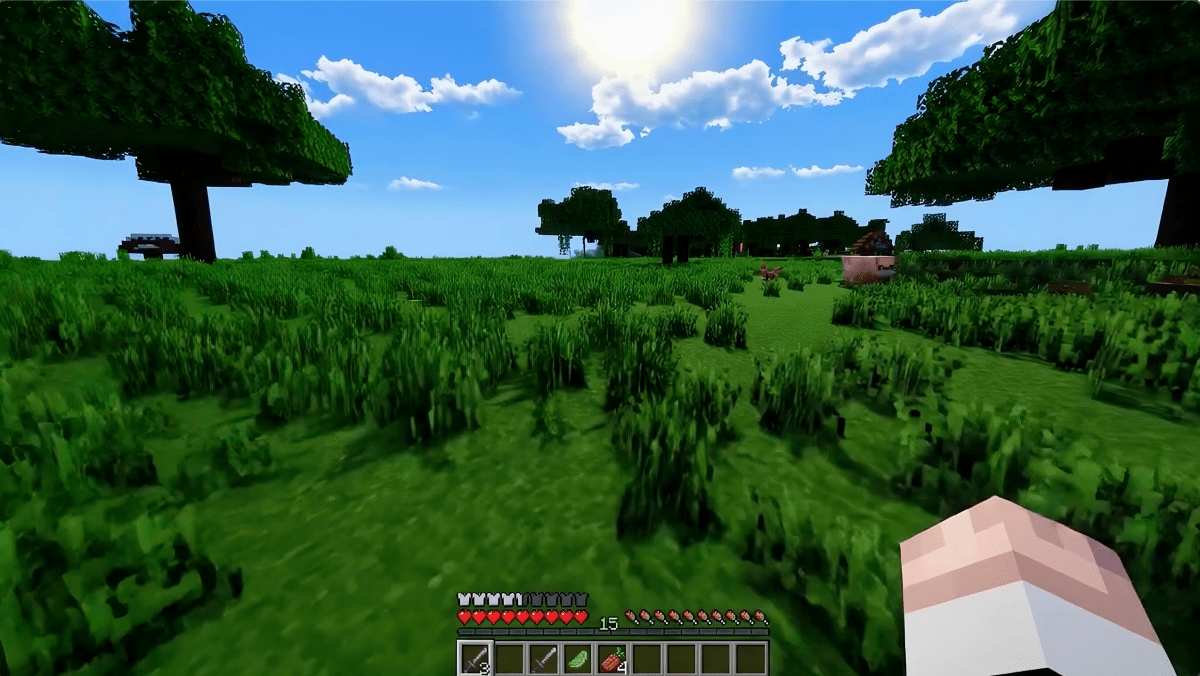
The most striking demonstration involves the model’s capacity to simulate gaming dynamics. When prompted with “Minecraft,” Sora successfully rendered a convincing game interface, complete with a heads-up display (HUD), environmental physics, and the simultaneous control of a player character.
A Data-Driven Physics Engine
Senior Nvidia researcher Jim Fan noted that the underlying mechanics suggest Sora operates more like a “data-driven physics engine” than a traditional creative tool. Rather than merely producing static images or videos, the model calculates the physics of objects within an environment to render a coherent, interactive 3D-like experience.
The research team at OpenAI highlights that this approach could be a transformative step in AI development:
- The model can be used for developing highly capable simulators of physical and digital worlds.
- It can model the behavior of objects, animals, and people residing within those simulated spaces.
Current Limitations and Future Scope
Despite these advancements, Sora is not yet a perfect gaming engine. The model still struggles with specific physical interactions, such as the realistic shattering of glass. Consistency remains a hurdle as well; for example, the model may render a person consuming food without accurately depicting bite marks on the object.
Given the potential for photorealistic, procedurally generated games created solely from text prompts, OpenAI has opted to restrict access to a limited group of users. This cautious approach addresses both the technical challenges and the broader implications of such powerful generative technology.