Roblox Launches 4D AI Tool for Interactive Game Objects
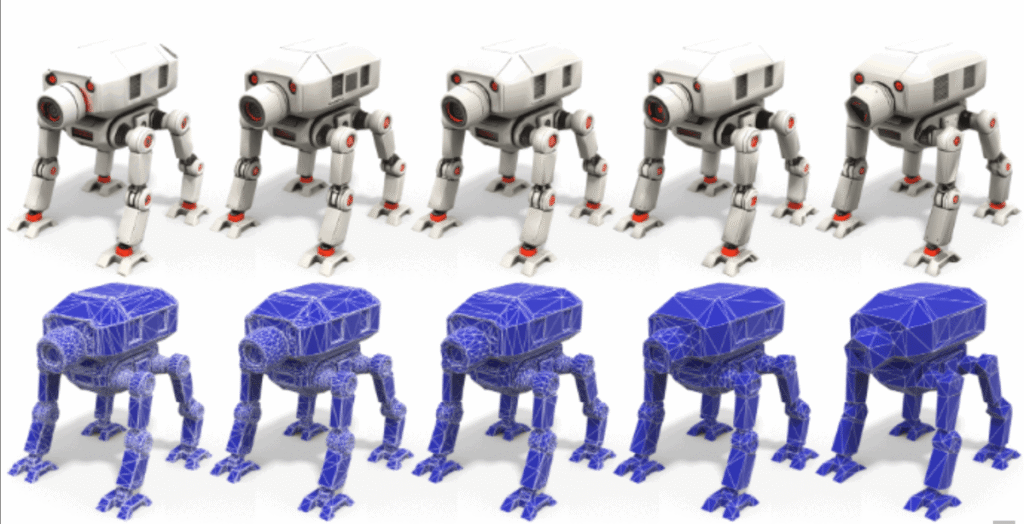
Roblox has officially transitioned its advanced 4D creation technology into open beta, marking a significant shift from static 3D model generation to fully functional, interactive in-game assets. This release follows an early access period that began in November, expanding on the capabilities of the company’s existing AI-powered design suite.
The platform’s generative AI journey gained traction last March with the debut of Cube 3D, an open-source model that has since enabled users to produce over 1.8 million 3D items, ranging from furniture to character accessories. By introducing a “fourth dimension”—interactivity—Roblox aims to allow developers to create objects that react dynamically to player movement within virtual environments.
New Behavioral Schemas for Creators
At the core of this update are two primary object templates, known as schemas, which define how the AI constructs and animates items:
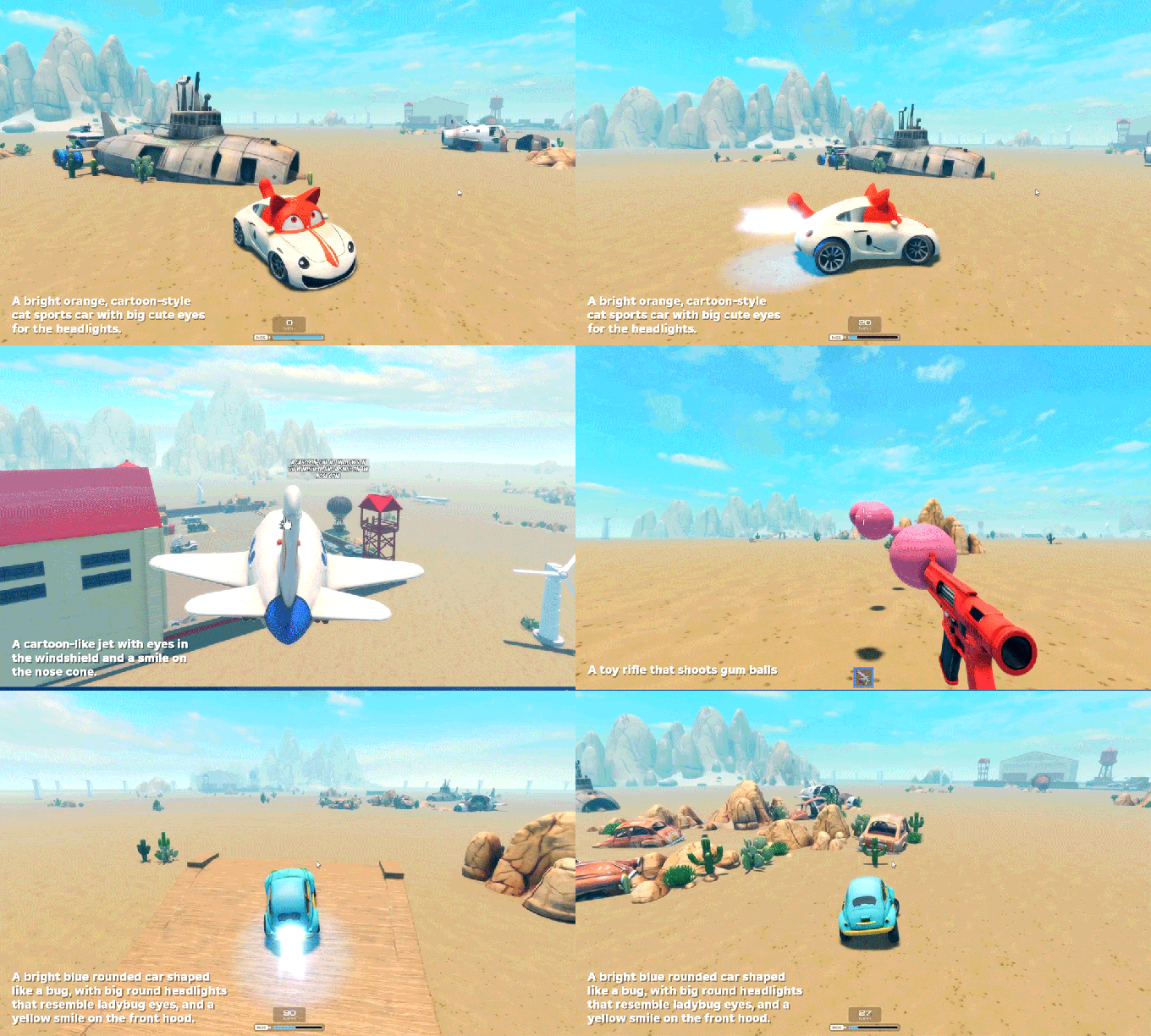
- Car-5: This schema moves beyond single-piece static models by decomposing a vehicle into five distinct parts—a main body and four wheels. The AI assigns specific behaviors to each component, enabling functional mechanics like spinning wheels.
- Body-1: Designed for simpler geometry, this schema generates single-piece objects such as sculptures or basic boxes.
The practical application of this technology is already visible in the game Wish Master. Within this experience, players can generate and pilot vehicles, fly planes, or interact with creatures like dragons, showcasing the functional potential of the new 4D creation tools.
Future Roadmap and AI Integration
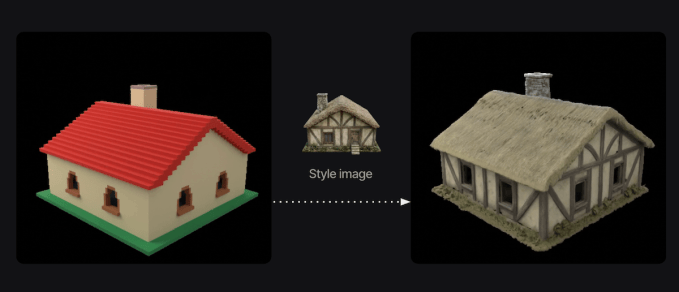
Looking ahead, Roblox intends to provide creators with the freedom to define their own custom schemas, granting deeper control over object behavior. The company is also researching technology capable of transforming reference images into detailed 3D models that mirror the original aesthetic.
Broader initiatives are also underway, including a concept CEO David Baszucki recently described as “real-time dreaming.” This project aims to allow developers to build complex environments using live text prompts and keyboard navigation. These updates arrive as the company continues to refine its platform safety measures, including the recent implementation of mandatory facial verification for chat access following various child safety investigations.