
Snapchat Updates Family Center With New Parental Controls
Snapchat is expanding its Family Center suite with granular monitoring features, allowing parents to track how much time teens spend on the platform and gain deeper insights into their new social connections. These updates arrive just days after the company reached a settlement in a lawsuit alleging that its platform contributed to social media addiction and mental health issues among minors.
Enhanced Visibility Into Screen Time and Connections
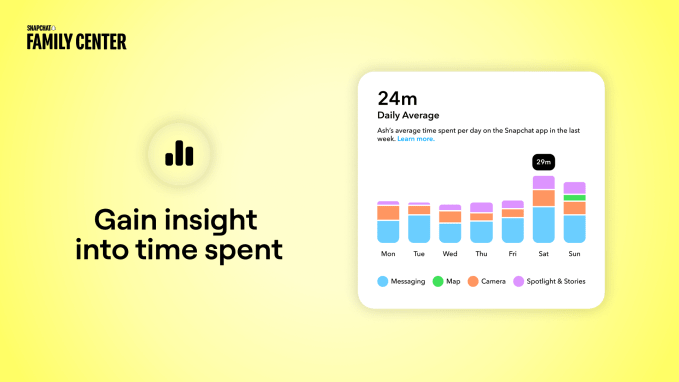
The new dashboard provides parents with a weekly breakdown of their teen’s activity. Instead of a simple total, the platform now categorizes time spent across specific app functions:
- Direct messaging and chatting
- Camera usage and content creation
- Interaction with Snap Map
- Consumption of Spotlight and Stories content
Beyond screen time, the update addresses how teens interact with new users. Parents can now see the context behind new friend additions, such as whether the users share mutual contacts, are saved in the teen’s phone book, or participate in the same digital communities. According to a company blog post, these “trust signals” are designed to help parents verify if their children are connecting with people they know in real life.
Regulatory Pressure and Legal Context
Snap introduced its Family Center in 2022 to combat mounting pressure from regulators regarding the safety of minors. Since its inception, the tool has evolved to include time limits, the ability to block the platform’s “My AI” chatbot, and visibility into recent interactions.
This latest expansion follows the resolution of a lawsuit involving a 19-year-old plaintiff, identified as K.G.M., who claimed that Snapchat’s design and algorithms were intentionally addictive and detrimental to mental health. While Snap settled, litigation continues against other major platforms, including Meta, TikTok, and YouTube, with jury selection for those cases approaching.
Despite the settlement, Snap remains a defendant in multiple other legal challenges. Internal documents disclosed during these proceedings suggest that staff members flagged potential mental health risks to leadership nearly a decade ago. The company has maintained that these internal communications were taken out of context and were “cherry-picked” to misrepresent its safety initiatives.