Uber Eats Launches AI Cart Assistant for Faster Grocery Shopping
Uber Eats is rolling out a new artificial intelligence feature dubbed “Cart Assistant,” aimed at accelerating the grocery shopping experience. The tool, currently in beta, enables users to generate full grocery baskets automatically, bypassing the need to search for individual items manually.
To access the assistant, customers navigate to a specific grocery store page within the Uber Eats application and select the purple Cart Assistant icon. The feature is designed to interpret various input methods, including typed lists or image uploads—such as screenshots of recipes or photographs of handwritten shopping notes. Once the AI identifies the necessary ingredients, it populates the user’s cart, allowing for final adjustments like brand swapping or quantity changes before checkout.
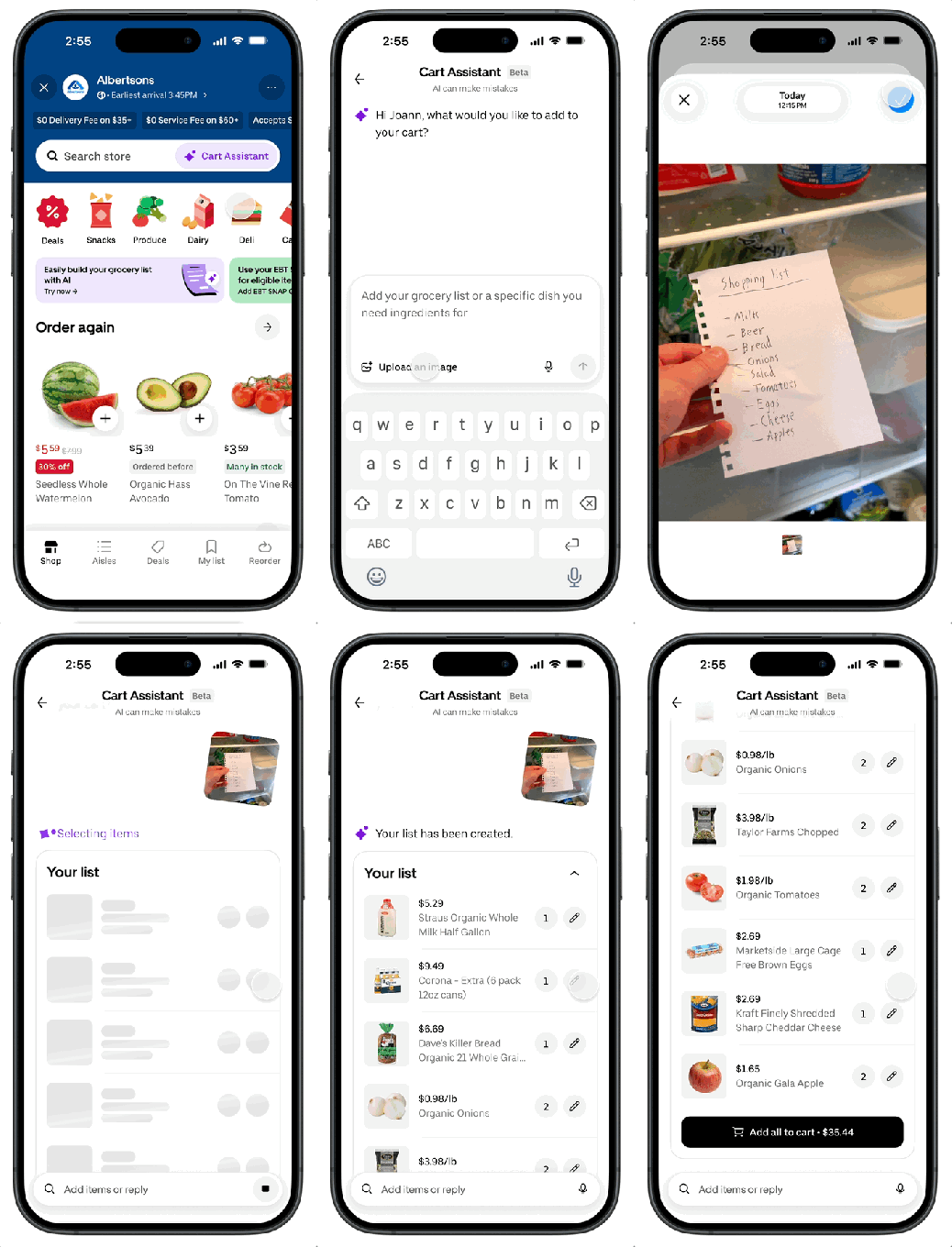
Personalized Shopping Through AI
Beyond simple list processing, the system leverages data from previous transactions to tailor results. By prioritizing items a customer frequently purchases—such as specific brands of milk or pantry staples—the platform seeks to reduce the friction often associated with recurring grocery runs.
“Users were telling us they wanted a quicker way to shop, and we know how precious your time is,” said Praveen Neppalli Naga, CTO of Uber, in a recent statement regarding the launch. “Cart Assistant helps you get from idea to checkout in seconds.”
Competitive Landscape in Delivery Apps
The introduction of Cart Assistant places Uber Eats in closer competition with other platforms aggressively adopting generative AI. The grocery and food delivery sector has seen a surge in chatbot integration:
- Instacart: Integrated OpenAI’s ChatGPT in 2023 to provide personalized shopping suggestions.
- DoorDash: Has reportedly explored DashAI, a tool designed to expedite the ordering process.
This move follows a broader trend of AI adoption by Uber, which has previously implemented tools for merchants, such as AI-generated menu descriptions and automated summaries of customer reviews. As these platforms continue to evolve, the focus remains on transforming the digital storefront from a static catalog into a proactive, personalized shopping assistant.