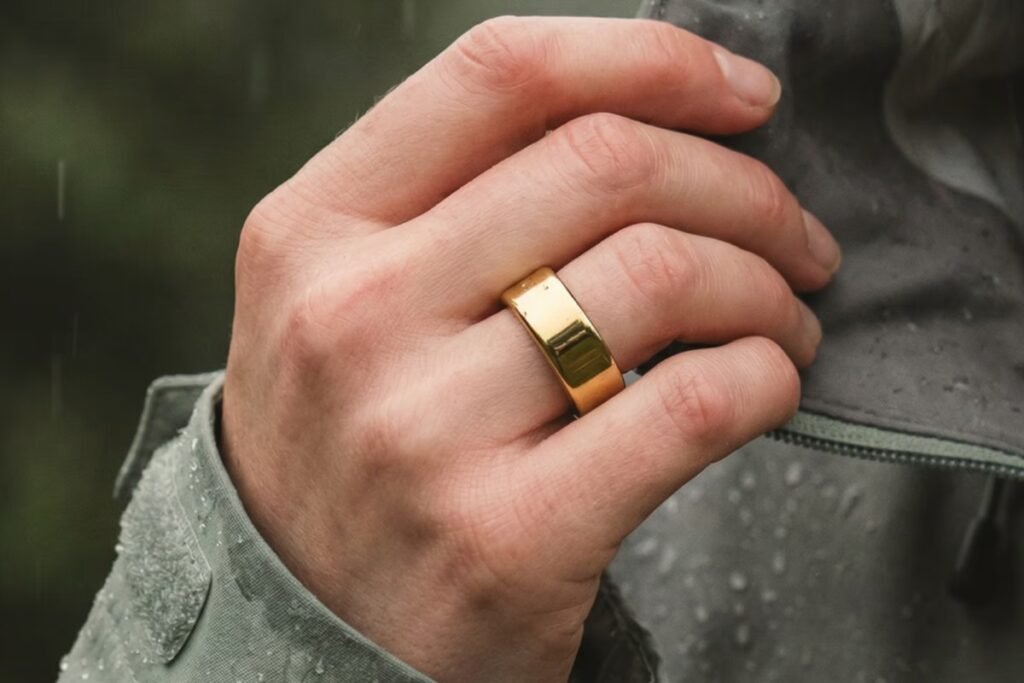
Ultrahuman Returns to US Market with Ring Pro Launch
Ultrahuman is staging a high-stakes return to the United States, securing approval from U.S. Customs and Border Protection (CBP) for its latest device, the Ring Pro. The move aims to reclaim market share lost during a period of intense legal conflict with rival Oura, which significantly tightened its grip on the American wearable sector while imports of Ultrahuman’s previous hardware were restricted.
The Bengaluru-based health tech firm faced a major setback in October following a ruling by the U.S. International Trade Commission (ITC) that favored Oura. The decision effectively blocked the entry of Ultrahuman’s Ring Air, a hurdle that CEO Mohit Kumar estimates cost the company as much as $50 million in potential sales.
The U.S. remains the primary battlefield for the smart ring industry. According to IDC data, the region accounted for 2.6 million units sold in 2025, representing roughly 60% of the 4.4 million global shipments. During the period of import restrictions, Oura’s market share in the U.S. climbed from 63.3% to 85%, while Ultrahuman’s presence dwindled to the low single digits.
Key details on the current market landscape include:
- Market Growth: The U.S. smart ring market grew 59% year-over-year in 2025.
- User Demographics: The U.S. represents 45% of Ultrahuman’s 700,000 daily active users, with a demographic skewing 73% to 74% female.
- Pricing: The Ring Pro is available for preorder at $399, with an early-bird price of $349 for the first 1,000 customers. Shipping is scheduled to commence on May 15.
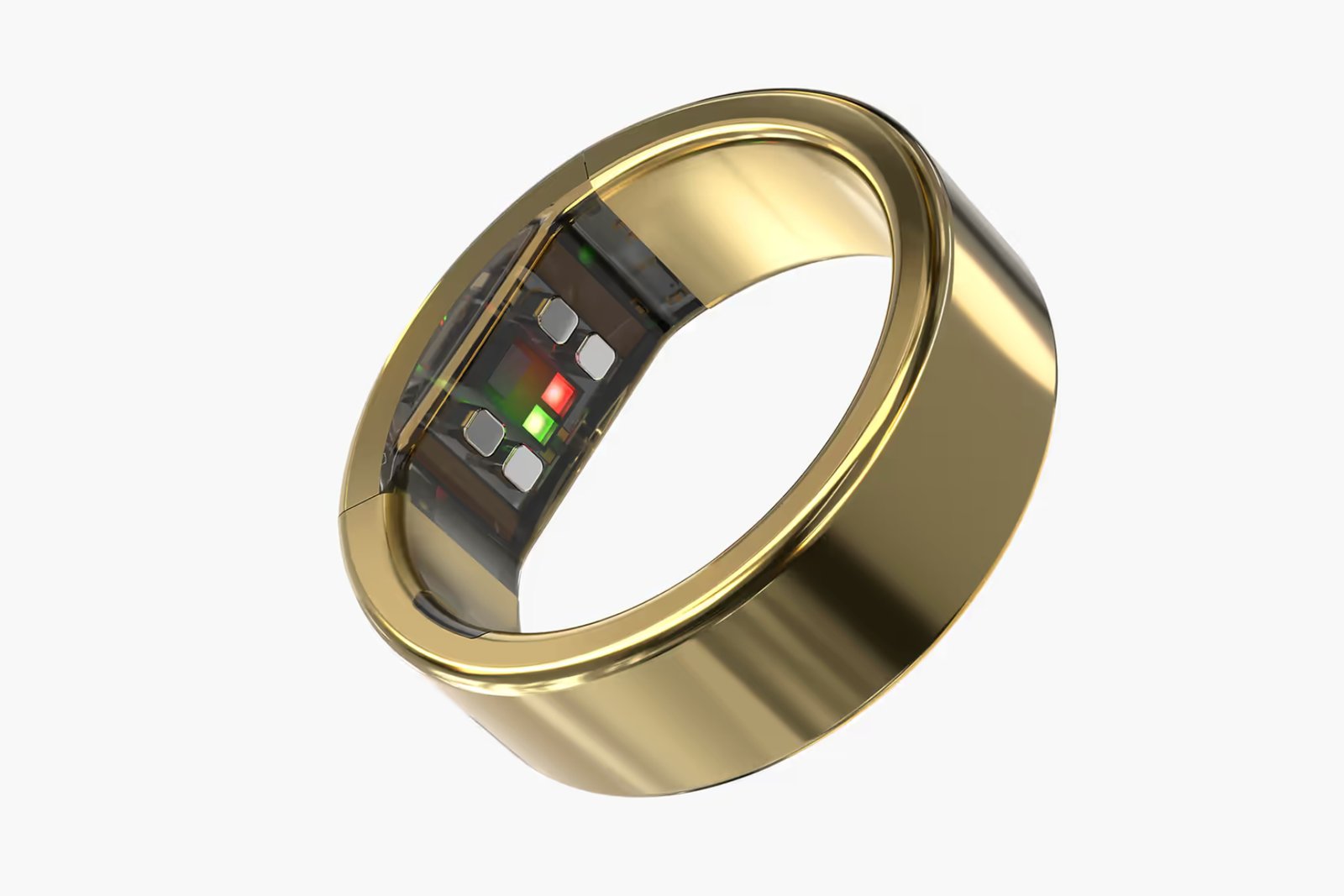
The Ring Pro features a redesigned unibody metal structure, which the company claims was instrumental in obtaining the necessary U.S. clearance. Beyond regulatory compliance, the device introduces enhanced on-device processing and improved battery life. Kumar noted that while the company expanded across Europe and Asia to mitigate the U.S. import ban, regaining its footing in America is now the top priority.
However, the legal friction is far from over. While Ultrahuman maintains that the Ring Air is a non-infringing product and continues to challenge the ITC ruling in federal court, Oura remains vigilant. In a statement, Oura clarified that the recent CBP decision is not a comprehensive resolution to their patent disputes, adding that they are currently evaluating further enforcement options and potential appeals.
India emerges as next battleground
As Ultrahuman turns its attention back to the West, Oura is making its own play in the East. Last week, Oura officially entered India—Ultrahuman’s home market—with the launch of its Ring 4. This cross-continental expansion signals a sharpening of the rivalry between the two companies in both established and emerging territories.
The Indian market presents a different set of challenges. IDC reports that smart ring shipments in India declined 30.6% year-over-year in 2025, with average selling prices dropping to $160. Despite this, Ultrahuman remains the market leader in India with a 30.4% share. Kumar views the arrival of new competitors as a potential catalyst for brand awareness in a category that remains in its infancy within the region.
Looking ahead, Ultrahuman is preparing to diversify its hardware lineup. Kumar hinted at the development of a new wearable device focused on tracking a different set of biomarkers, expanding beyond the current suite that monitors heart rate, sleep stages, skin temperature, and blood oxygen levels.