Whoop Evolves: From Athlete’s Secret to Health Monitor
For nearly a decade, the Whoop fitness band carved out a reputation as an essential tool for elite competitors. From LeBron James and Michael Phelps to Rory McIlroy and Cristiano Ronaldo, the device became a status symbol for those pushing human performance to its limits. Today, the Boston-based company is attempting a significant pivot: moving beyond athletic recovery to become a continuous, medical-grade health monitor.
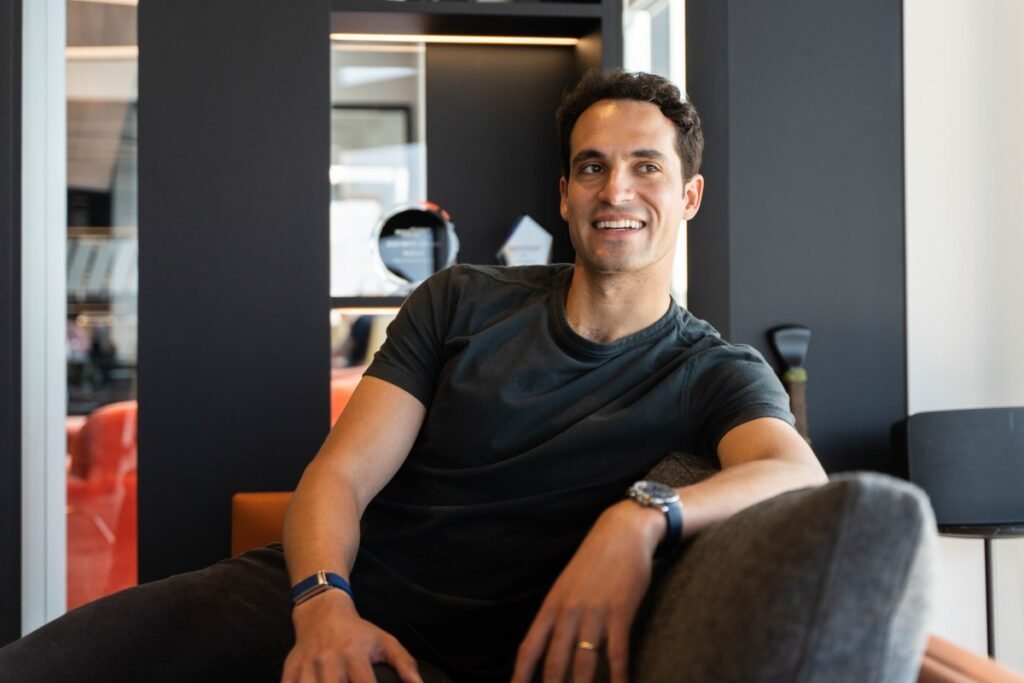
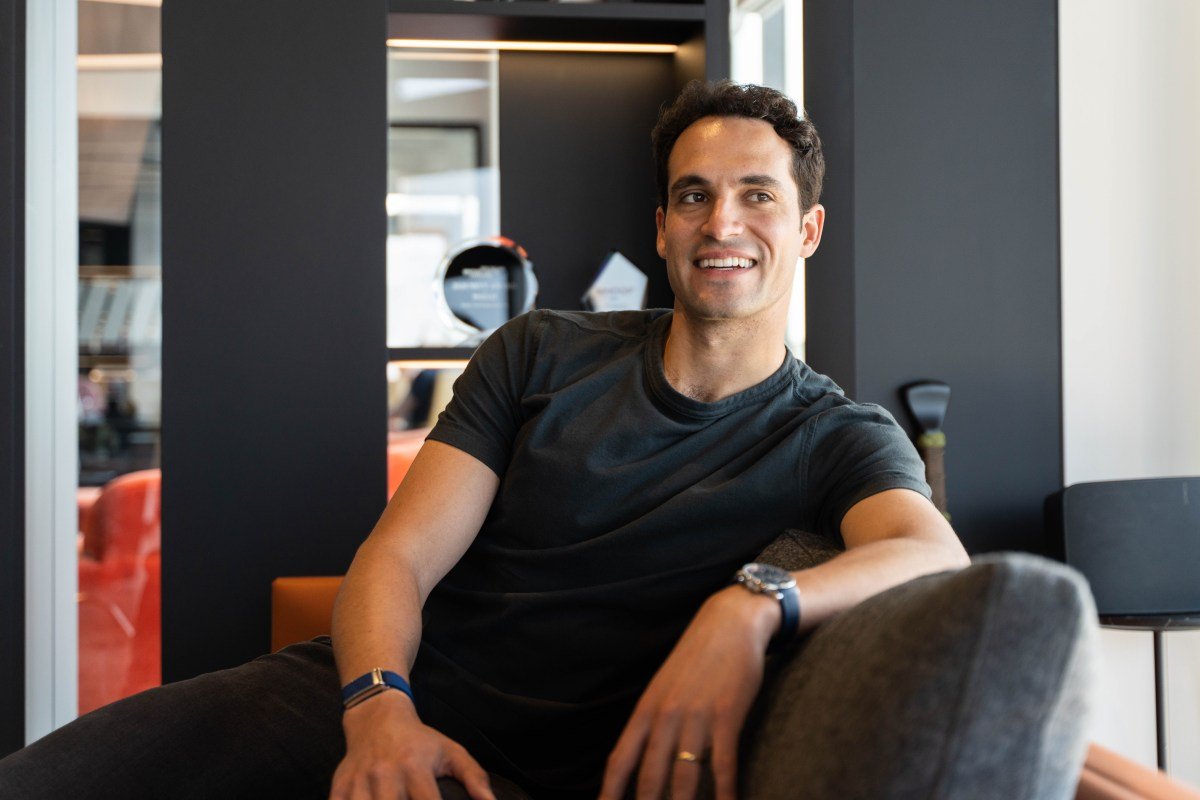
Will Ahmed, the 36-year-old founder who started the company during his senior year at Harvard, aims to transition the brand from a performance accessory into a proactive diagnostic tool. The goal is to provide users with insights that could alert them to urgent health issues, such as potential heart attacks, before they require emergency intervention.
Expanding Into Clinical Monitoring
The company has already secured medical clearances for several features, including ECG monitoring and atrial fibrillation detection. Additionally, Whoop introduced blood pressure “insights,” a move that drew scrutiny from the FDA last summer. The regulatory agency questioned whether the feature functioned as a medical diagnosis rather than wellness tracking, a claim Whoop rejected, arguing the FDA was exceeding its authority.
Beyond hardware, Whoop is deepening its clinical integration:
- Quest Diagnostics Partnership: Users can now upload blood test results directly into the app for clinician review alongside their wearable data.
- Healthspan Feature: Launched in May of last year, this tool calculates biological age and has quickly become the app’s most popular offering.
Strategic Positioning in a Crowded Market
Unlike competitors, Whoop maintains a screenless design to avoid direct competition with smartwatches. Ahmed argues that the market is already saturated with watches, and users are unlikely to wear two simultaneously. Instead, the device can be worn discreetly in bicep sleeves or specialized apparel, a segment that saw 70% growth last year.
The company faces stiff competition, most notably from the Finnish firm Oura. While Oura operates on a purchase-plus-subscription model, Whoop relies on a recurring fee of $200 to $360 annually. Both companies are currently vying for the same demographic, with women identified as the fastest-growing segment for both brands.
Recent friction at the Australian Open highlighted the brand’s organic influence. Despite tournament officials asking players like Carlos Alcaraz and Jannik Sinner to remove their trackers—even though the device had ITF approval—the athletes resisted. Ahmed notes that this resistance was a powerful testament to the value users find in the product, rather than a result of paid endorsements.
Looking Toward the Future
With operations now spanning over 200 countries and a business split evenly between the U.S. and international markets, the company is scaling rapidly. Whoop currently employs approximately 750 people and is in the process of hiring 600 more. While industry speculation suggests a potential IPO—especially given Oura’s rumored similar plans—Ahmed remains focused on long-term product development.
Reflecting on his journey since 2011, Ahmed emphasizes that the reality of entrepreneurship is often more grueling than the public perception of fundraising milestones. “You have to have a reasonably high pain threshold,” he says, stressing that founders must be more obsessed with solving a specific problem than with the title of being an entrepreneur.