Why LinkedIn’s New Daily Games Are Driving User Engagement
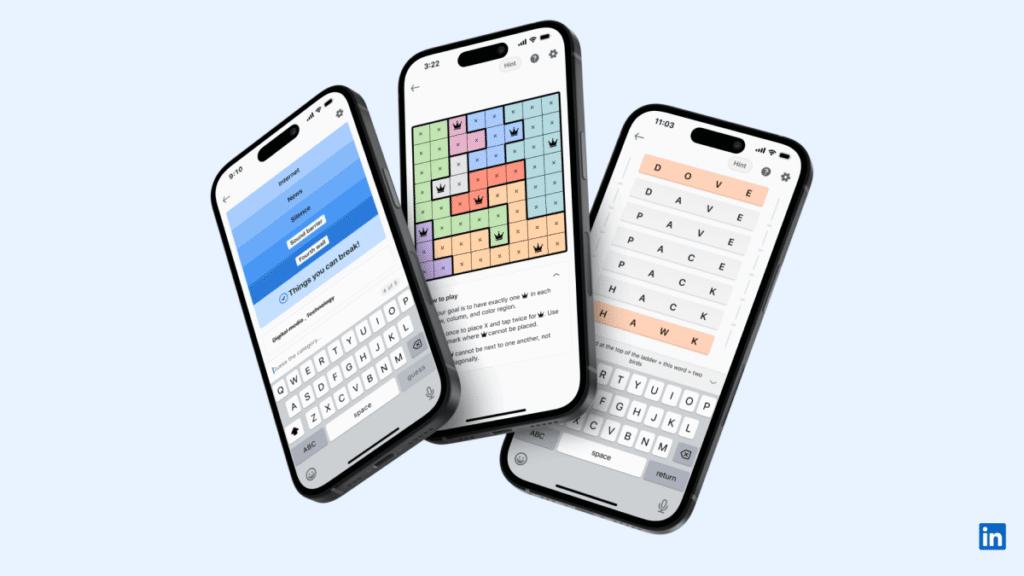
LinkedIn has officially entered the gaming space, mirroring a broader trend among major tech platforms. Since launching three daily puzzles in May—Queens, Crossclimb, and Pinpoint—the professional networking site has seen a notable shift in user habits, with engagement for these games growing by approximately 20% week-over-week since the beginning of July.
The move mimics the successful strategy employed by The New York Times, which transformed its digital footprint by making its gaming suite a primary destination. Data from December 2023 indicated that users were spending more time within the NYT Games app than on the publication’s dedicated news app. Following this blueprint, platforms from Apple News to Netflix and YouTube have integrated gaming features to capture user attention.
The Science of the Daily Puzzle
While the addition of games to a professional platform might seem counterintuitive, experts suggest there is a neurological basis for their popularity. Ryan Douglas, co-founder of DeepWell DTx, notes that short, controlled gaming sessions can serve as an effective tool for managing stress and breaking negative thought patterns.
“If you’re playing Tetris, for instance, you can’t have a big conversation in your head about how terrible you are,” Douglas explained. He points out that games activate the brain’s limbic system, which manages stress responses. By navigating simulated challenges, users can subconsciously develop new neural pathways for problem-solving and gain a sense of agency, provided the games are played in moderation—typically in 15-minute intervals.
Why Finite Games Resonate
The appeal of LinkedIn’s current offerings, much like the viral phenomenon Wordle, lies in their finite nature. Unlike endless social media feeds designed to monopolize attention, these puzzles offer a single daily challenge.
Josh Wardle, the creator of Wordle, has previously highlighted the public’s growing fatigue with apps that demand infinite engagement. “I think people have an appetite for things that transparently don’t want anything from you,” Wardle said. Although LinkedIn games ultimately seek to retain user attention, they provide a distinct, time-boxed experience that differentiates them from the platform’s traditional networking feed.
Networking Through Play
Beyond individual stress relief, LinkedIn is leveraging these games to foster professional interaction. The platform has observed that completing a puzzle often leads users to initiate conversations with their connections. Key features of the current lineup include:
- Queens: A logic-based puzzle that has emerged as a standout favorite.
- Crossclimb: A word-based challenge requiring sequential associations.
- Pinpoint: A word-association game designed to test vocabulary and lateral thinking.
For many professionals, these games have become a brief respite during the workday—a way to reset after intense periods of focus before returning to the standard professional grind.