YouTube Launches AI Likeness-Detection Tool for Creators
Creators, Digital Privacy, Tech News
CONTEUDO:
YouTube has officially launched its likeness-detection technology, providing eligible creators within the YouTube Partner Program a direct way to combat unauthorized AI-generated content. Following an initial pilot phase, the platform is now rolling out the feature to protect creators from deepfakes that replicate their voices and faces.
A spokesperson for the company confirmed that the rollout began on Tuesday, with eligible creators receiving notification emails throughout the morning. This move serves as a proactive measure against the growing trend of AI misuse, such as instances where creators’ voices are cloned to promote products without their consent, as seen in previous cases involving figures like Jeff Geerling.
How the Verification Process Works
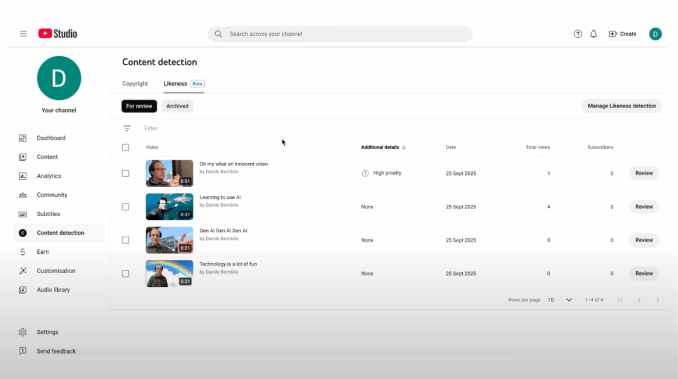
To utilize these new protections, creators must complete an identity verification process via the “Likeness” tab on their dashboard. The setup involves:
- Consenting to data processing for the detection service.
- Scanning a QR code displayed on the screen using a smartphone.
- Completing identity verification, which requires submitting a photo ID and a short selfie video.
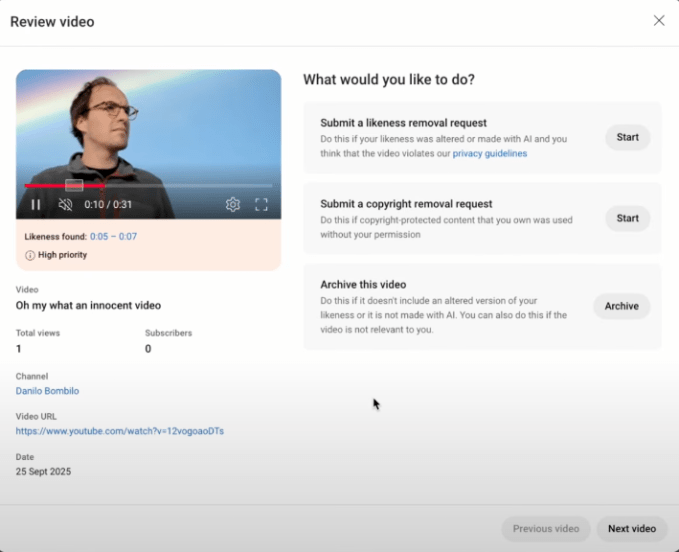
Once verified, creators gain access to a dashboard where they can review videos flagged by the system. From there, they have the authority to request removals based on privacy or copyright guidelines, or simply archive the content.
Commitment to Creator Rights
Creators maintain full control over this feature and can opt out at any time. Should they choose to disable the service, YouTube will cease scanning for their likeness within 24 hours. This initiative is part of a broader effort by the platform to address AI-driven deception, which previously included a partnership with the Creative Artists Agency (CAA) to assist high-profile creators and athletes.
Furthermore, YouTube has publicly supported the NO FAKES Act, federal legislation aimed at curbing the spread of harmful AI replicas that mimic a person’s image or voice without permission.