Google Brings Agentic AI and Custom Widgets to Android
Google has unveiled a suite of new “Gemini Intelligence” features for Android, transforming the operating system with agentic capabilities that allow the AI to perform complex tasks across applications, navigate the web, and even help users build custom widgets through natural language prompts.
Expanding Agentic Automation
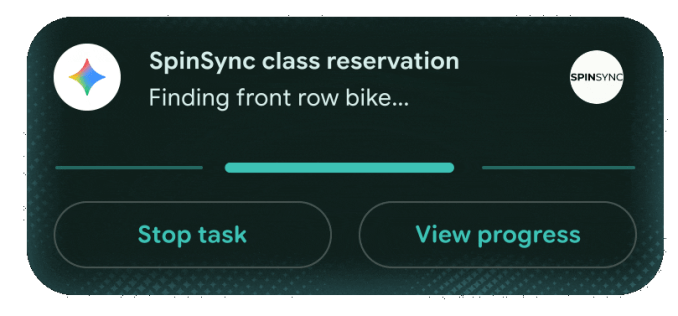
Building on initial features like food ordering and ride booking, Gemini is evolving to manage multi-step workflows. Users can trigger these actions by holding the power button and describing a task, with the assistant using the current screen content as context. For instance, Gemini can extract a grocery list from a notes application and populate a shopping cart in a retail app, pausing to wait for manual confirmation before finalizing a purchase.
The company also confirmed the rollout of its auto-browse feature to Android, which allows the AI to navigate websites to complete specific requests. Additionally, starting in late June, users will gain access to “Gemini in Chrome” on Android, enabling page summarization and interactive Q&A directly within the mobile browser.
Custom Tools and Enhanced Input
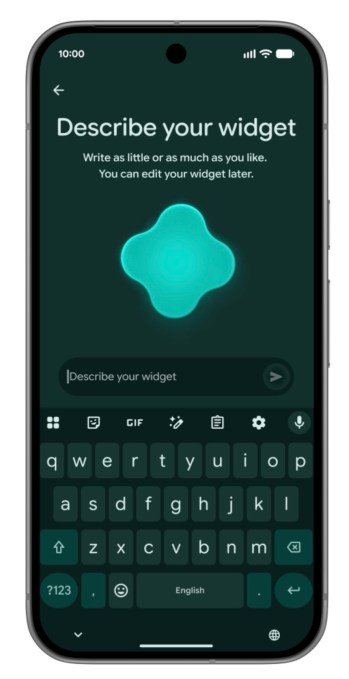
Google is introducing a “vibe-coding” approach for Android widgets, letting users generate custom interface elements simply by describing them. By typing a request—such as asking for a weekly meal-prep suggestion—the system creates a functional widget based on that prompt. This design will adhere to Google’s Material 3 expressive language.
Other notable updates include:
- Form Filling: Using “Personal Intelligence,” Gemini can securely fill out online forms. This feature is strictly opt-in and manageable via settings.
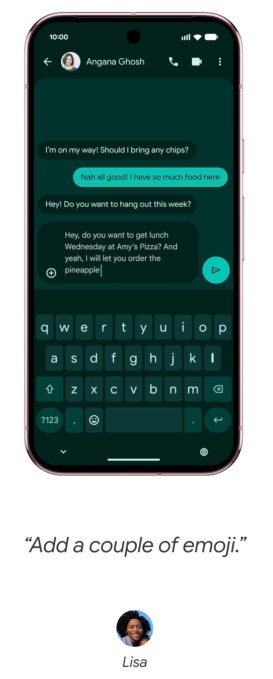
- Gboard Integration: A new tool called “Rambler” leverages multimodal AI to refine dictation, transcribing speech while automatically cleaning up filler words and formatting text to match the user’s tone.
These AI-powered enhancements are scheduled to arrive on the latest Samsung Galaxy and Google Pixel devices this summer, with a broader rollout across the wider Android ecosystem expected later this year.