Stanford Insider: Theo Baker Exposes Silicon Valley Ties
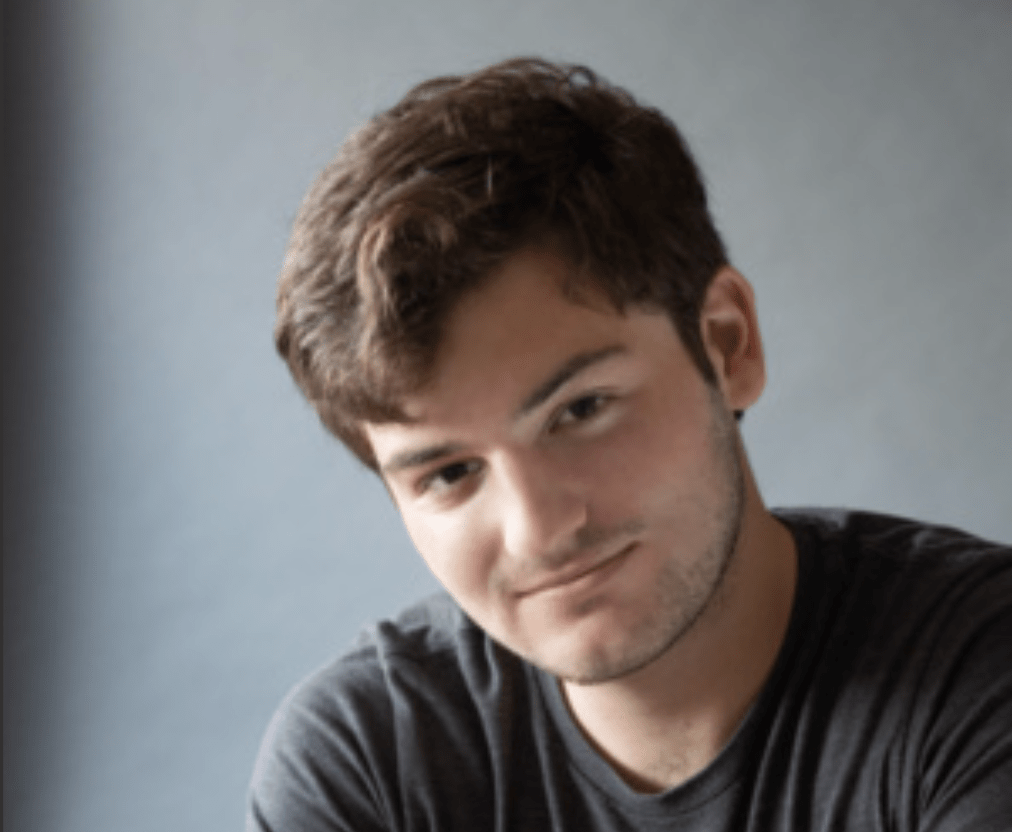
Most undergraduates at Stanford University focus on their coursework and social lives, but Theo Baker spent his four-year tenure uncovering the institution’s deepest systemic flaws. Before graduating this spring, Baker is releasing How to Rule the World, a critical investigation into the university’s symbiotic and often unsettling relationship with the venture capital industry.
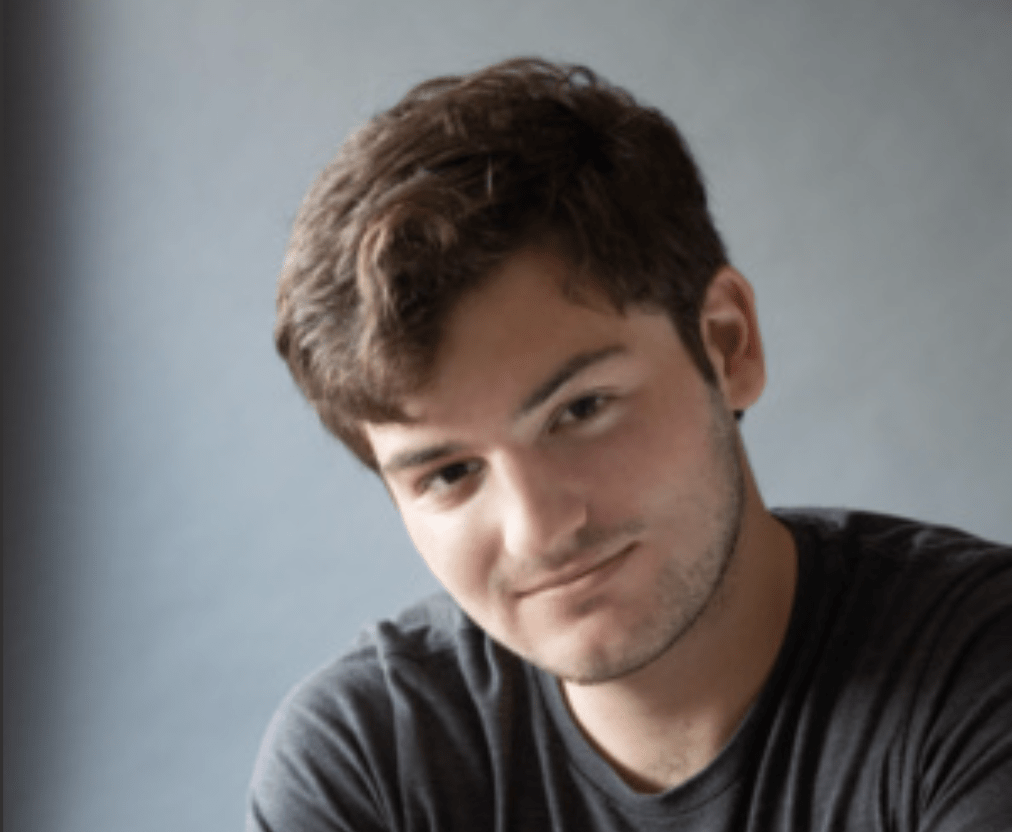
Baker’s reputation as an investigative force was cemented during his freshman year. He broke the story regarding manipulated research data that eventually led to the resignation of Stanford president Marc Tessier-Lavigne. That reporting earned him a George Polk Award, and the rights to his story have already been optioned by Warner Brothers and producer Amy Pascal.
The “Stanford Inside Stanford”
Beyond his headline-grabbing exposé on the former president, Baker’s book examines what he describes as an “inside world” at the university. He argues that a parallel reality exists where students identified as potential “trillion-dollar founders” are funneled into a network of extreme access, resources, and billionaire mentorship.
- Talent Extraction: The system is designed to identify and monetize students as early as their freshman year.
- Secret Networks: Elite circles, such as a clandestine seminar ironically titled “How to Rule the World,” operate to connect high-potential students with tech-elite gatekeepers.
- The “Wantrepreneur” Filter: Established players actively scout for genuine “builders” while filtering out those merely chasing status.
Facing Institutional Pushback
Baker’s journey into journalism was not without significant friction. When he began investigating Tessier-Lavigne, he faced warnings that the president was a figure of “sterling reputation” and that his inquiry would create an uncomfortable environment.
The situation escalated quickly as the university’s board of trustees launched an investigation into their own president. Baker noted that the integrity of that internal inquiry was itself compromised, pointing out that one board member held an $18 million investment in Denali Therapeutics, a biotech firm co-founded by Tessier-Lavigne. Despite the pressure and public criticism from the president, who labeled his reporting as “replete with falsehoods,” Baker continued his work.
Silicon Valley Cycles and the Future
Observing the campus during the collapse of FTX and the rapid rise of ChatGPT, Baker witnessed a pivot in the entrepreneurial culture. He notes that many on campus quickly transitioned from crypto-enthusiasm to AI-focused startups, often driven by a sense of anxiety regarding a shrinking job market for entry-level roles.
For those entering elite universities today, Baker offers a sobering perspective on the “expected path”:
“You have to be really conscious about whether you’re doing what you’re doing because you believe in it and because it’s the right thing — or because it’s the easy thing,” Baker said. He warns that the current system often incentivizes students to chase wealth and power without providing the necessary ethical safeguards.
As he prepares to leave Stanford, Baker suggests that his future will remain rooted in the investigative temperament he discovered during his time on the student newspaper. Rather than pivoting to a founder role in Silicon Valley, he views his commitment to journalism as an “affliction” that will continue to guide his career.