Zest app uses real-world spend data for restaurant discovery
A new startup is challenging how diners find their next meal by shifting the focus from curated social media aesthetic to actual consumer behavior. Zest, a restaurant discovery app that officially launched to the public this month, uses transaction data and artificial intelligence to map out dining habits.
Founded in November 2024, the company has secured $1.8 million in pre-seed funding, backed by Alexis Ohanian’s 776 and Steve Jang at Kindred Ventures. Since its inception, the platform has operated in a private beta, gradually scaling from a small circle of friends to a broader user base. Following its public release, the app has already recorded over 100,000 visits.
Data-Driven Dining
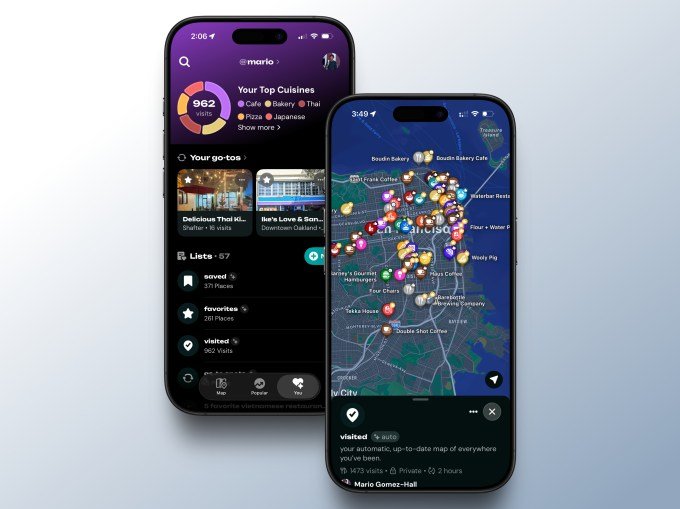
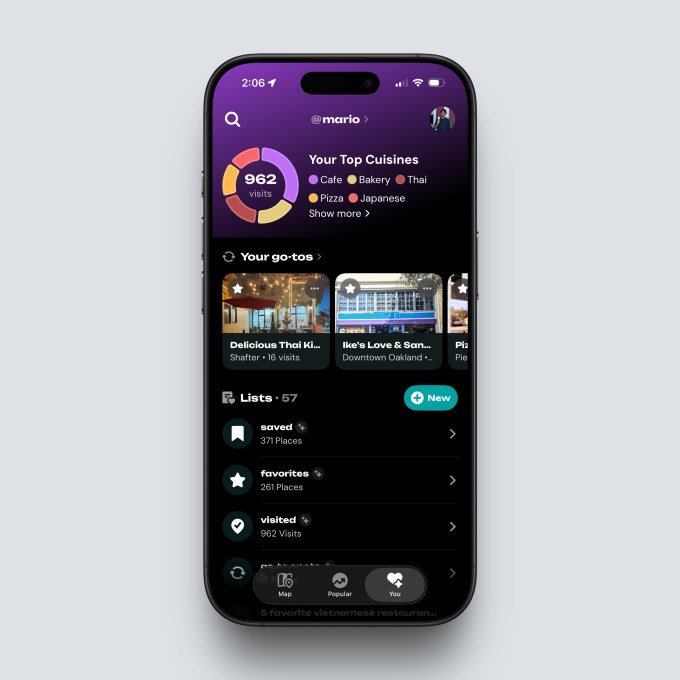
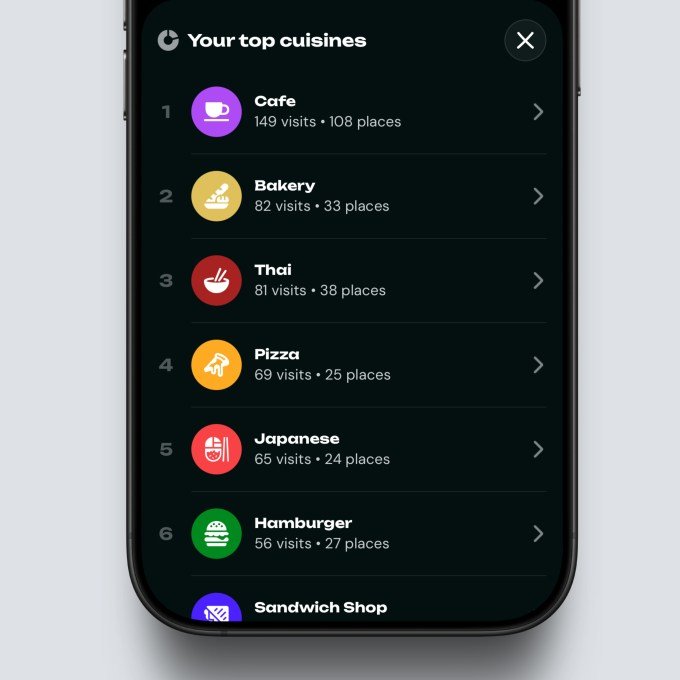
Unlike traditional review platforms that rely on user-generated star ratings, Zest connects to a user’s credit card via Plaid. The app filters transaction history to identify food and drink spending, creating an automated, personal map of where the user actually eats. This data serves as the foundation for the app’s recommendation engine, which suggests new spots based on established tastes.
Co-founder Mario Gomez-Hall, formerly the head of design at the social calendaring app Saturn, argues that this method bypasses the “social posturing” common on other platforms. “It’s actually more about your regulars and the spots that are the ‘hole in the wall’ — the burrito spot that you love and is dependable,” says Gomez-Hall. “And we surface that because we see the frequency and the spend.”
Expanding Beyond the Plate
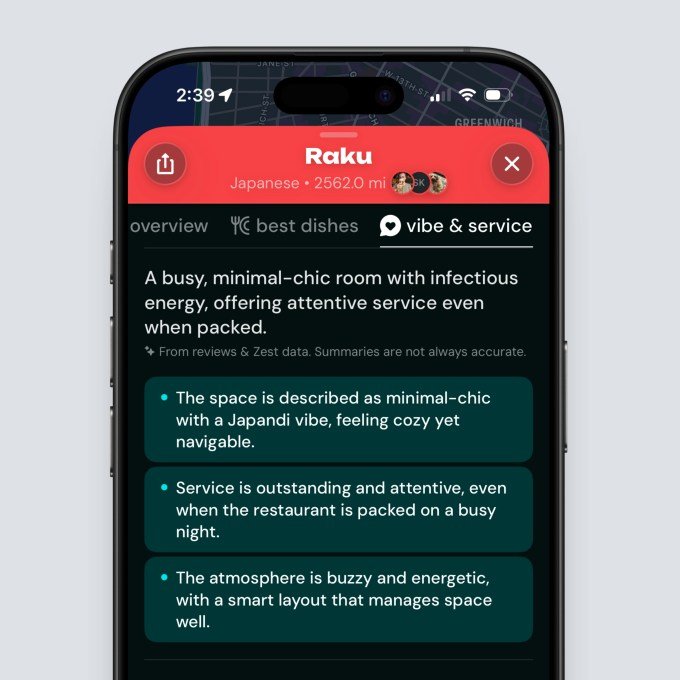
To supplement its transaction-based data, Zest incorporates approximately 80 million reviews from external sources, ranging from the Michelin guide to community discussions on sites like Reddit. The platform is currently rolling out two key updates:
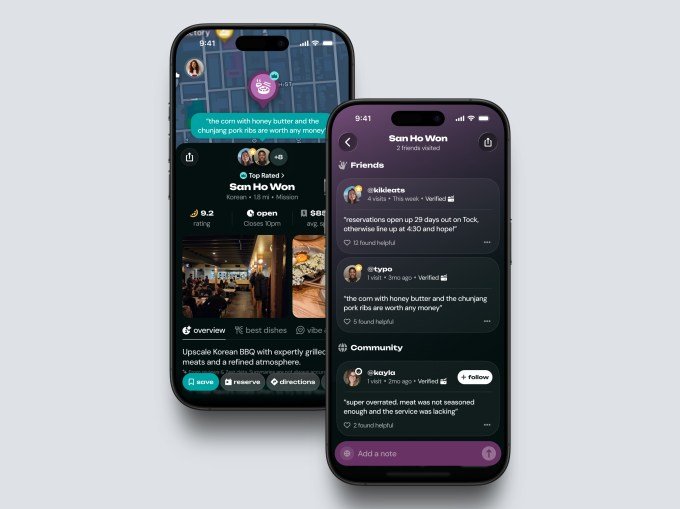
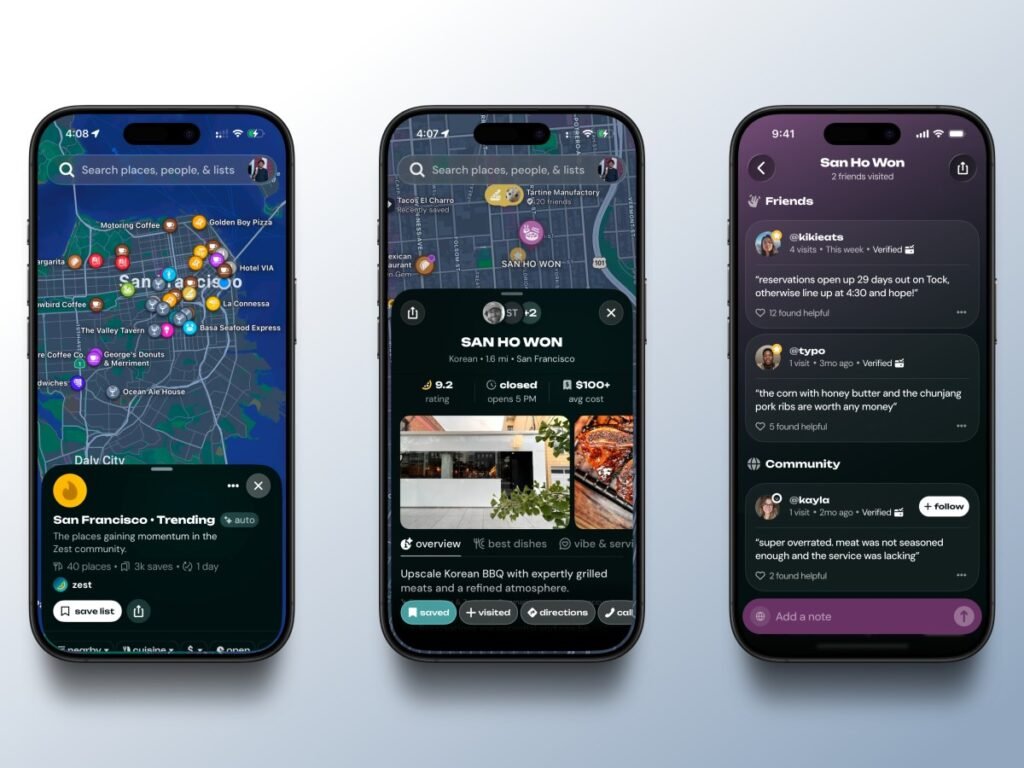
- Freeform Notes: A feature allowing users to share specific tips, such as reservation advice or menu recommendations.
- Fresh Picks: An algorithmic discovery tool, similar to Spotify’s “Discovery Weekly,” designed to suggest new local dining spots.
Gomez-Hall notes that the name “Zest” was chosen to represent a broader “zest for life” and exploration, hinting at future expansion plans. The team eventually aims to move beyond restaurants and incorporate other categories, such as retail and shopping.